English| EUR
Suggested for you
More currencies
Choose a language
Coral Bay sits on the southern edge of Ningaloo Reef, where the continental shelf drops close to shore and dive sites lie minutes offshore. Tours operate daily with morning departures, offering both introductory and certified dives. Understanding your options and what the reef delivers helps you choose the right expedition.
Quick answer
Coral Bay diving tours operate daily from 09:00 to 16:30, with most expeditions departing between 09:00 and 11:00 for optimal light and marine activity. Tours accommodate both certified divers and beginners doing introductory dives, with no marine park entry fee for guided tours. Operators provide gear, briefings, and transport to sites along the outer reef where visibility averages 15–30 meters year-round.
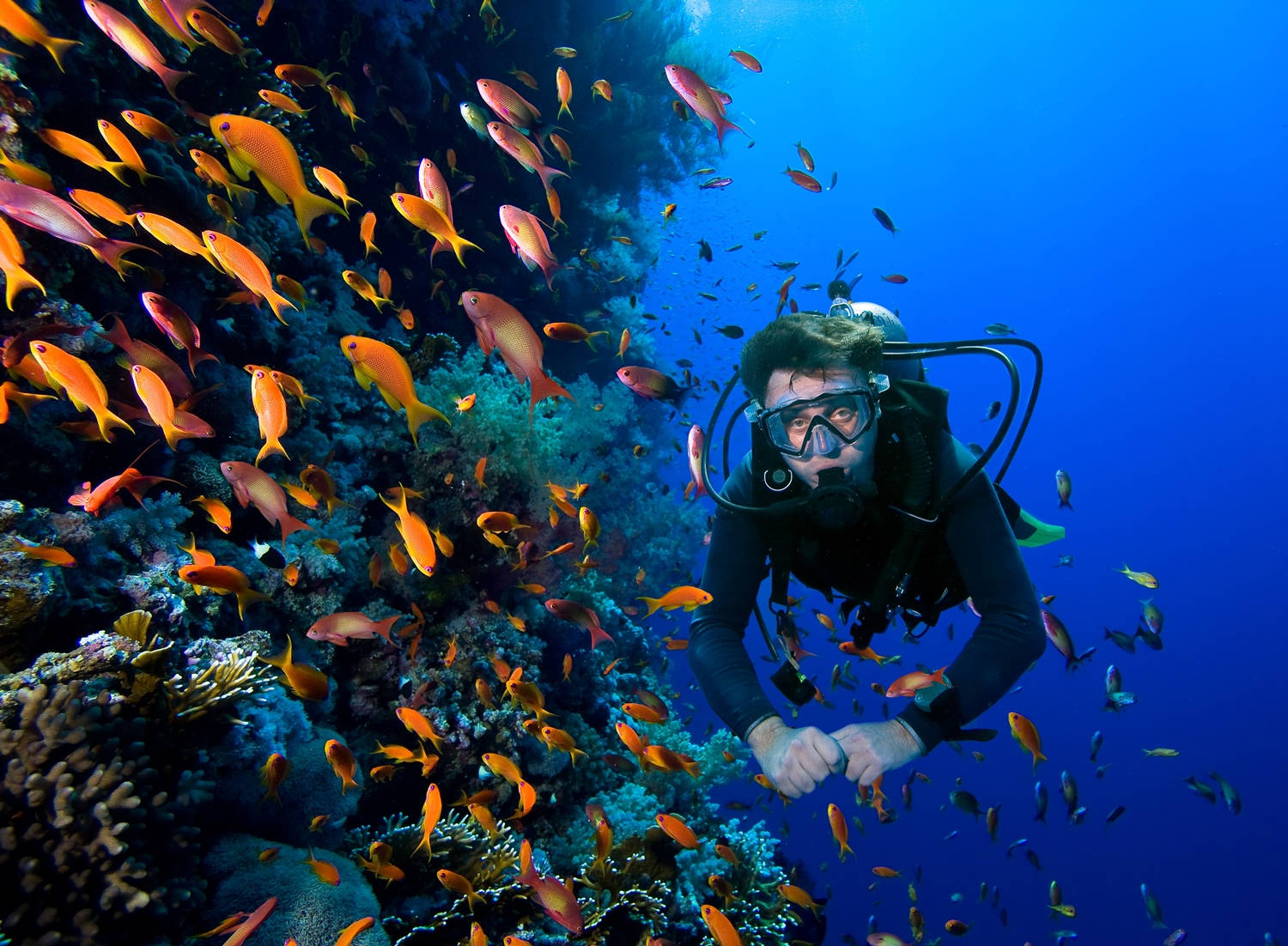
The continental shelf at Coral Bay lies less than 200 meters from the beach, placing dive sites within a five-minute boat ride. This proximity means shorter surface intervals and more bottom time compared to locations where reefs sit kilometers offshore. Operators run two main tour formats. Certified divers join multi-dive charters that visit two or three sites per trip, descending to depths between 12 and 25 meters depending on qualification level. Introductory dives pair first-timers with an instructor in shallow zones where manta rays, reef sharks, and loggerhead turtles frequent the cleaning stations. No prior scuba experience is required for introductory programs, though a basic swim test and medical questionnaire apply. Ningaloo Reef's hard coral coverage remains among the highest in the Indian Ocean, and the Coral Bay coral gardens stretch unbroken along the drop-off. Manta rays patrol the outer slope from April through October, while humpback whales migrate through between July and November—surface intervals often include whale sightings. Water temperature ranges from 22°C in August to 27°C in February, with full-length wetsuits recommended during winter months. Most coral bay diving tours include gear, weights, and air fills in the base rate, with underwater cameras and dive computers available as paid add-ons. Tour operators based at the Coral Bay boat ramp handle logistics, so visitors book directly through their offices or by phone. Group sizes cap at 12 divers per vessel to maintain safety ratios and minimize reef impact. The dive briefing covers hand signals, buoyancy protocols, and the specific marine life likely at each site, ensuring even novice divers understand what they're looking at below the surface.
“The continental shelf at Coral Bay lies less than 200 meters from the beach, placing dive sites within a five-minute boat ride.”
The best time for scuba diving in Coral Bay is during the shoulder seasons of March to May and September to November, when sea conditions are calmest. Daily, the best arrival window is 09:00–16:00 to align with morning tour departures and optimal visibility.
Warm water, 24–27°C
Stable conditions are ideal for whale shark encounters and reef dives.
Cooler water, 20–23°C
Humpback whale migration season brings increased marine activity.
Rising temperatures, 23–26°C
Clear water provides consistent visibility for underwater exploration.
—
Calm winds typically occur early, creating favorable sea states for boat-based expeditions.
Verdict: For the highest probability of calm seas and clear visibility, plan your visit between April and May or September and October, arriving at 09:00 for morning tours.
Diving tour operators in Coral Bay maintain a consistent weekly schedule to accommodate visitors interested in scuba expeditions.
Coral Bay is located in the Gascoyne region of Western Australia. The most practical approach for travelers is by private vehicle or regional coach via Minilya-Exmouth Road.
Minilya-Exmouth Road to Coral Bay Road
Integrity Coach Lines to Coral Bay
Within Coral Bay town center to the marina
For those driving, ample parking is available near the main beach and departure points. Ensure your arrival aligns with the operator's morning schedule for tour check-in.
Prepare these essentials before your Coral Bay diving expedition to ensure a smooth experience.
Ningaloo Reef is a protected marine environment where visitor conduct directly impacts coral health and marine species. Operators enforce strict protocols to minimize reef damage and ensure diver safety.
Everything you need to know about coral bay diving tours
Many providers cater to various experience levels, offering training and guided introductory dives for those new to the underwater world. You should check with specific operators regarding prerequisite certifications for advanced reef sites.
You should bring swimwear, a towel, sun protection, and a camera to capture the marine environment. Most scuba operators provide all necessary technical gear like tanks, regulators, and wetsuits for your excursion.
There is 0 AUD in destination-specific marine park entry fees for tours. Entrance to the area is free, though individual operators manage their own expedition costs.
The best arrival window is 09:00–16:00 to ensure optimal light for snorkeling and marine life spotting. Most scuba excursions are scheduled to depart in the morning hours to maximize time on the water.
You can visit the official site at https://www.ningalooreefdive.com to view available options and logistics for your visit. Always review the operator details before finalizing your travel plans.
These scuba trips offer excellent opportunities to encounter diverse aquatic species within the Ningaloo Reef ecosystem. Common sightings include colorful fish, sea turtles, and manta rays depending on the season.